Nusa Dua is located right on the southern tip of Bali, around a 30-minute taxi ride from Seminyak.
This is the place for that ultimate Bali honeymoon retreat, where all the high-end luxury hotels of the island are based.
Nusa Dua is also famous for its long sandy beaches like Geger Beach, which we loved, and its huge 18-hole golf course.
Geger, in particular, is a popular spot to lounge on because the sea is calm, unlike most other beaches in Bali, so much so that farmers grow seaweed here.
There are some great hotels in Nusa Dua, we stayed at the St Regis and loved it. This is an example of one of the many high-end all-inclusive hotels.
In Nusa Dua, some of the best resorts in Bali hotels dominate the beachfront. Each hotel has its own restaurants, bars, private beach, gym, spa and pools.
You can leave your complex to check out the local restaurants nearby, which we highly recommend doing.
Nusa Dua is also a popular spot for surfing and diving. You can also take some of the many day trips from here, I recommend the trek up to the Besakih Mother Temple in central Bali.
Another popular spot in Nusa Dua towards the north is Tanjung Benoa, which is an enclave with a mosque, Chinese and Hindu temples, all in close proximity to each other.
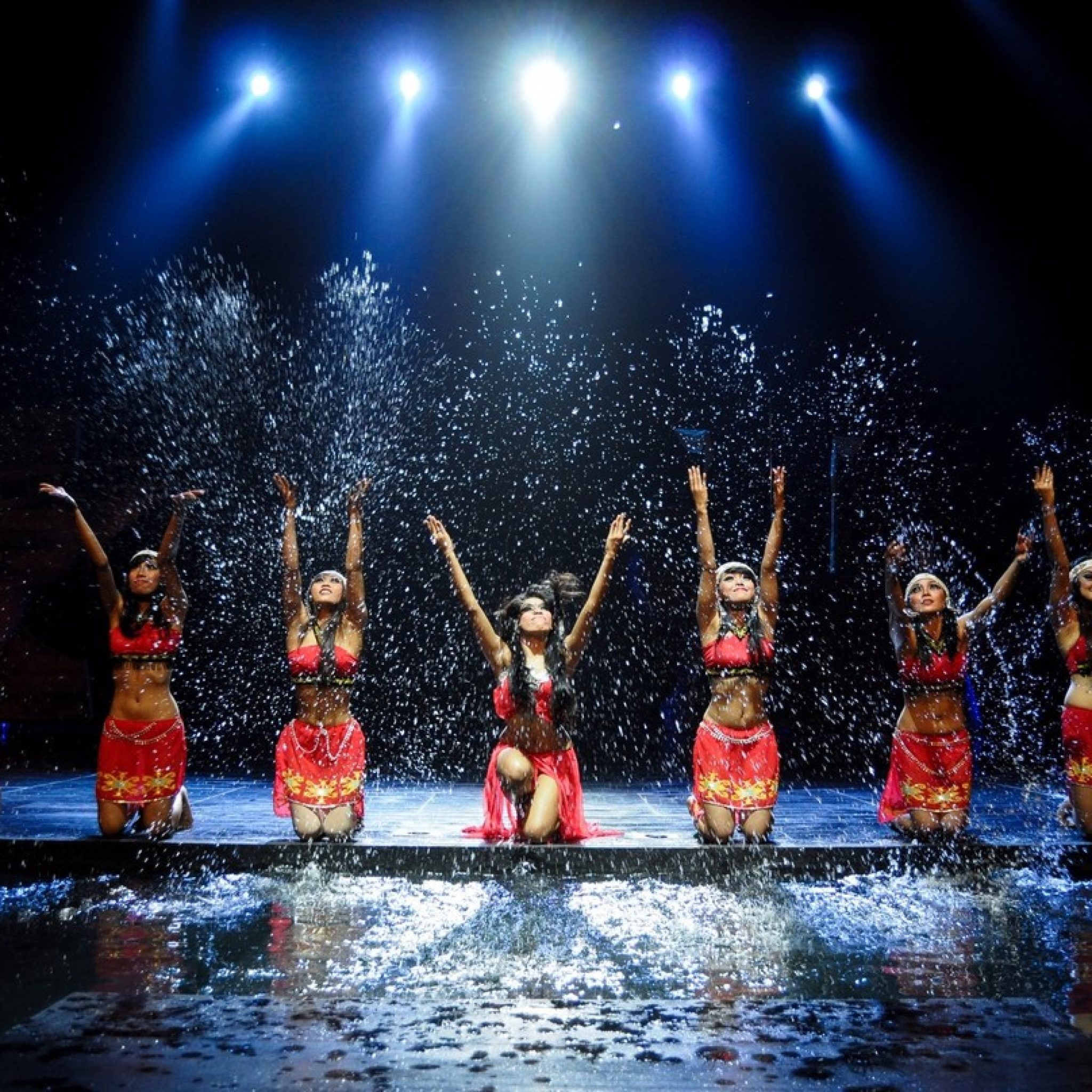
Devdan Show at Bali Nusa Dua Theatre presents a captivating 90-minute performance that takes you on a cultural journey across the Indonesian archipelago. The story revolves around two young adventurers who stumble upon a magical treasure chest filled with cultural artifacts from various Indonesian islands. Each discovery leads to a mesmerizing stage performance, featuring acrobatics, aerial silk dancers, and dynamic choreography set to traditional and modern music. The show highlights a diverse range of Indonesian cultures and includes impressive props, lighting effects, pyrotechnics, and even an aerial finale. You can also take photos with the cast and crew after the show, and various seating options, including VIP sections, are available for booking.

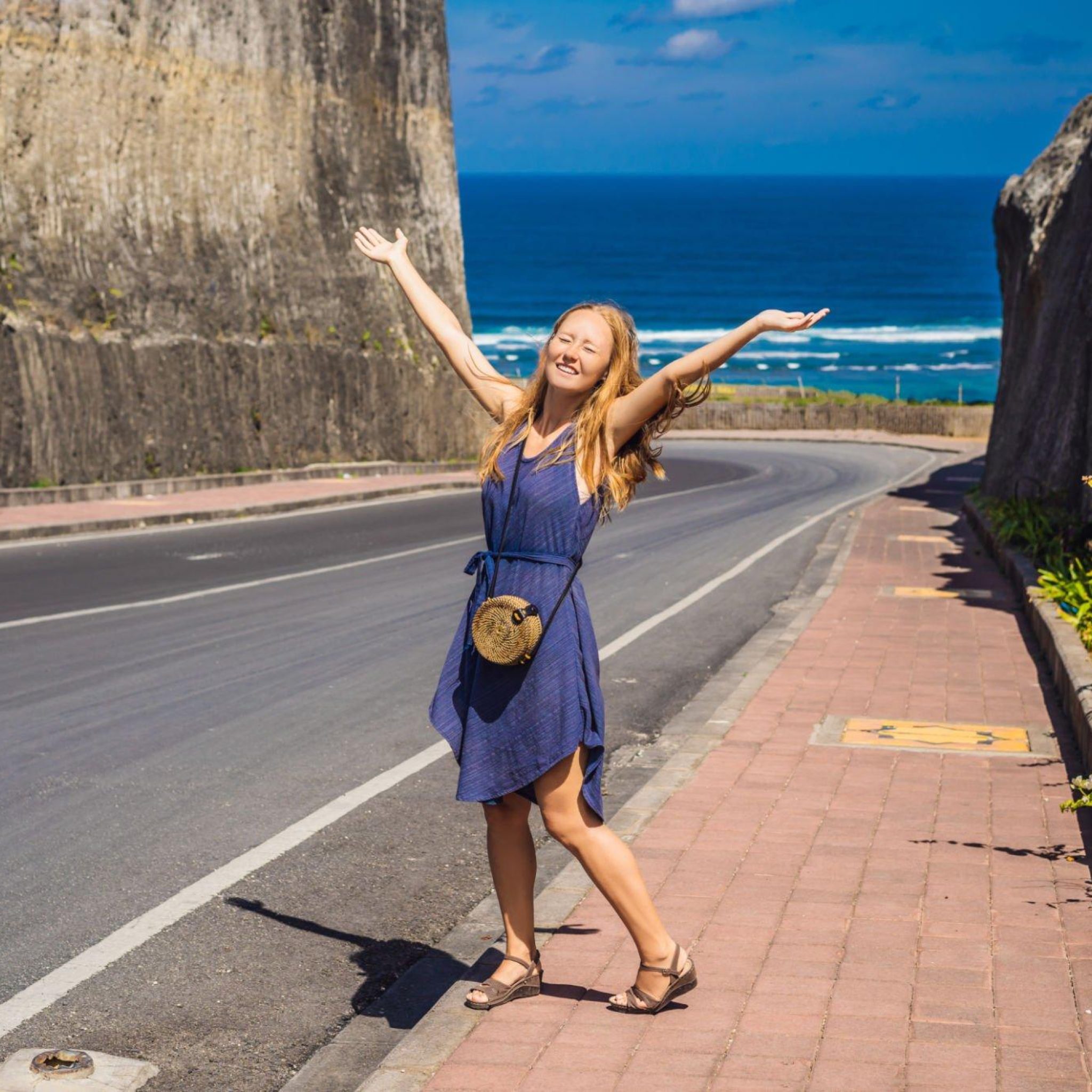
Pandawa Beach, located in Bali’s southern Bukit Peninsula, is a hidden gem known for its unique landscape. It features a 1-km-long coastal stretch hidden behind towering limestone cliffs that offer panoramic views of the Indian Ocean. The beach is accessible via smooth asphalt roads carved through the cliffs, flanked by impressive stone arches adorned with statues representing characters from the Mahabharata epic, known as Pandawa Lima. These statues provide excellent photo opportunities. The beach has two sections, one with local stalls and sunbeds, and the other with water sports, cafes, and restaurants. The water is ideal for swimming, kayaking, and advanced surfing due to consistent swells and strong ocean currents.
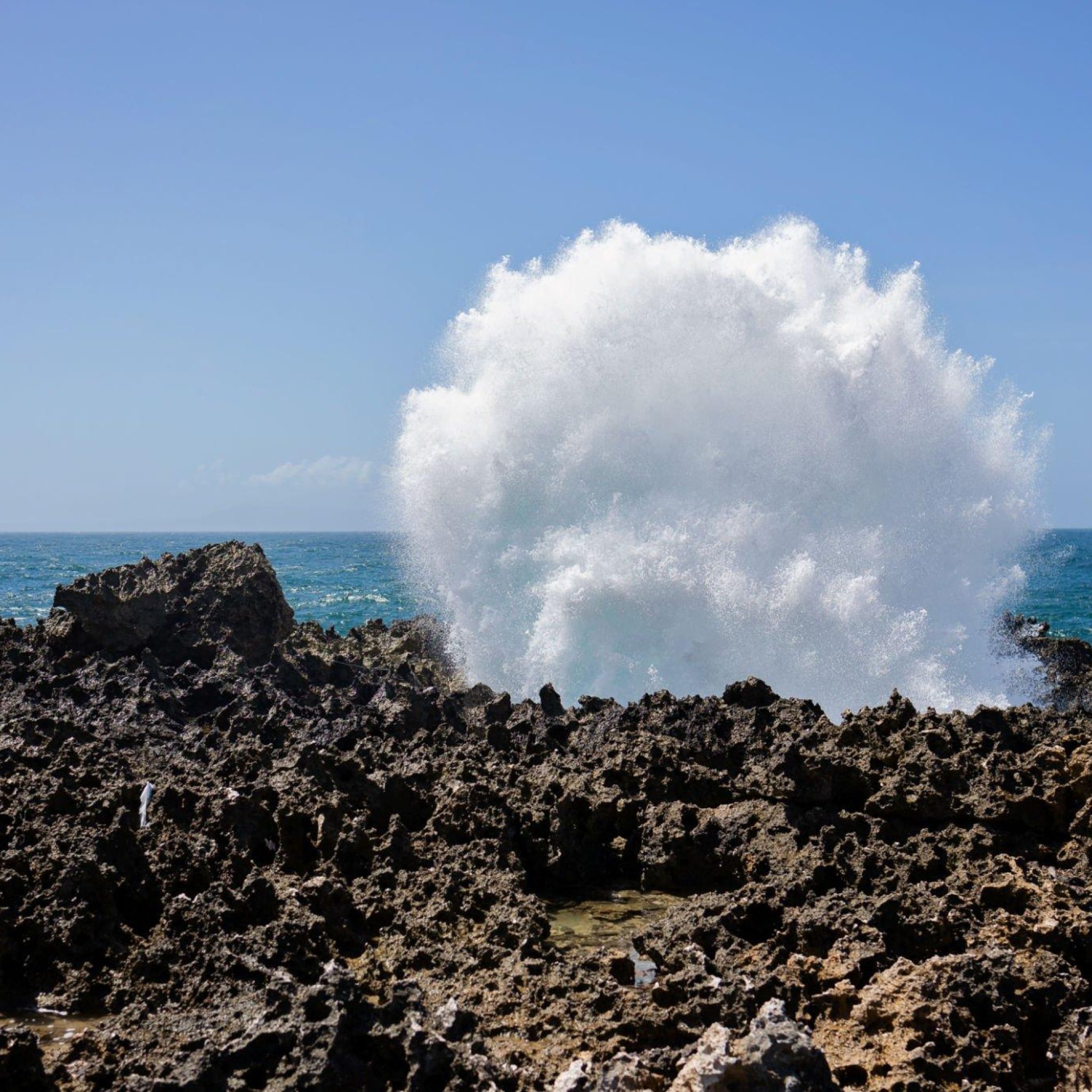
The Water Blow site in Nusa Dua, Bali, offers a mesmerizing view of large waves from the Indian Ocean crashing against jagged limestone edges. A wooden observation deck with benches provides a safe spot to watch the waves. The best time to witness the high surges, which can reach up to 30 meters, is in July or August during high tide. Be cautious as the waves can be dangerous, and there are no lifeguards. Protect your camera gear from splashes, as you’re likely to get wet. Visiting the site is free.
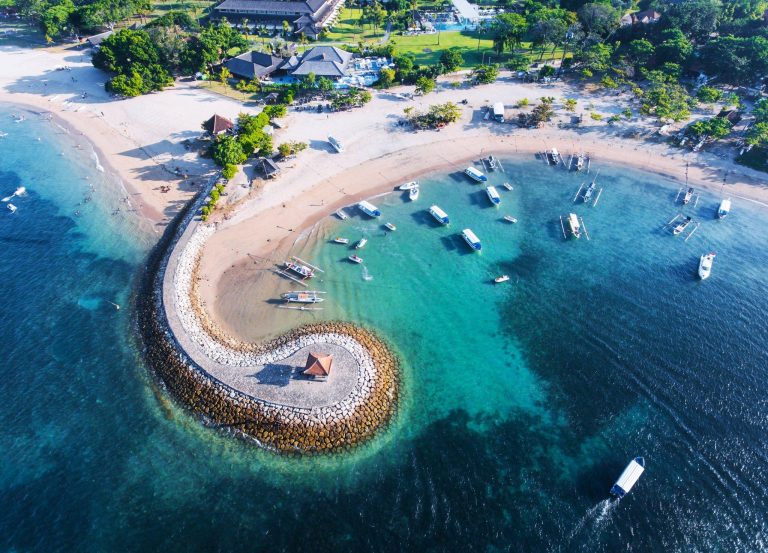
Nusa Dua Beach, also known as Pantai Mengiat, features pristine white sand and generally offers a tranquil atmosphere with gentle waves. It benefits from a 500-meter-long reef barrier that shields the shore from the more turbulent Indian Ocean waters. This beach is home to some of Bali’s most renowned luxury resorts.
A well-paved path runs alongside the hotels and the sandy shoreline, catering to joggers and cyclists throughout the day. Swimming and snorkeling are popular activities along the Pantai Mengiat coastline. Local fishermen launch their traditional wooden boats from this beach, while tour operators provide excursions such as glass-bottom boat rides and fishing trips.
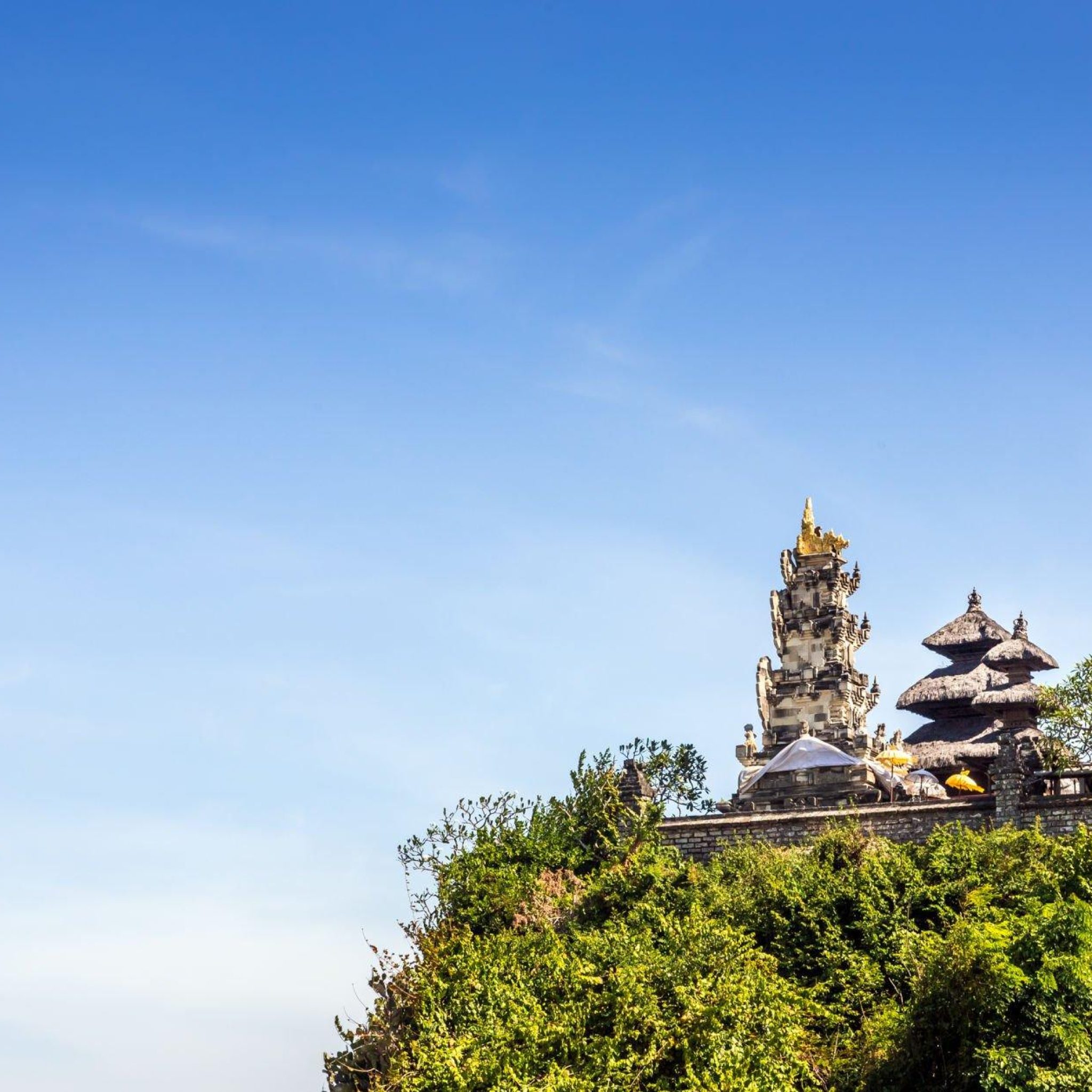
Pura Geger Temple is a significant cultural site in Nusa Dua, offering stunning views overlooking Geger Beach. The temple’s location by the rocky limestone coastline, with crashing waves from the open sea, creates a picturesque seascape. Pilgrims visit during full and new moons on the Balinese calendar, with major celebrations during Purnama Kanem. While the inner temple area is usually closed, you can explore its outer grounds and observe the shrines. A particular shrine honors Ida Batara Dalem Pamutih, and another is dedicated to the god of the seas. There’s also a hidden beach accessible via a narrow pathway, and nearby, a shrine guards a source of holy water used for blessings and rituals.

Garuda Wisnu Kencana, often called GWK, is a vast cultural park in Bali’s Ungasan hills, offering sweeping views of the island and the ocean. It features an amphitheater, exhibition gallery, restaurants, souvenir shop, art market, massage center, and ATV/Segway rentals. The main attraction is a colossal 121-meter statue of Hindu god Vishnu riding a garuda eagle. The park hosts cultural performances and events, including the famous Kecak dance. Parahyangan Somaka Giri, a spring with reputed healing properties, is also found here. The Lotus Pond is a massive outdoor venue, and the GWK Amphitheatre has excellent acoustics. The site offers various amenities, including a Balinese parade at 5 pm daily and an exhibition hall, Balairung Dewi Sri, offering free services and insights into the GWK statue’s creation. Street Theatre is the main commercial area, housing shops and outlets.