

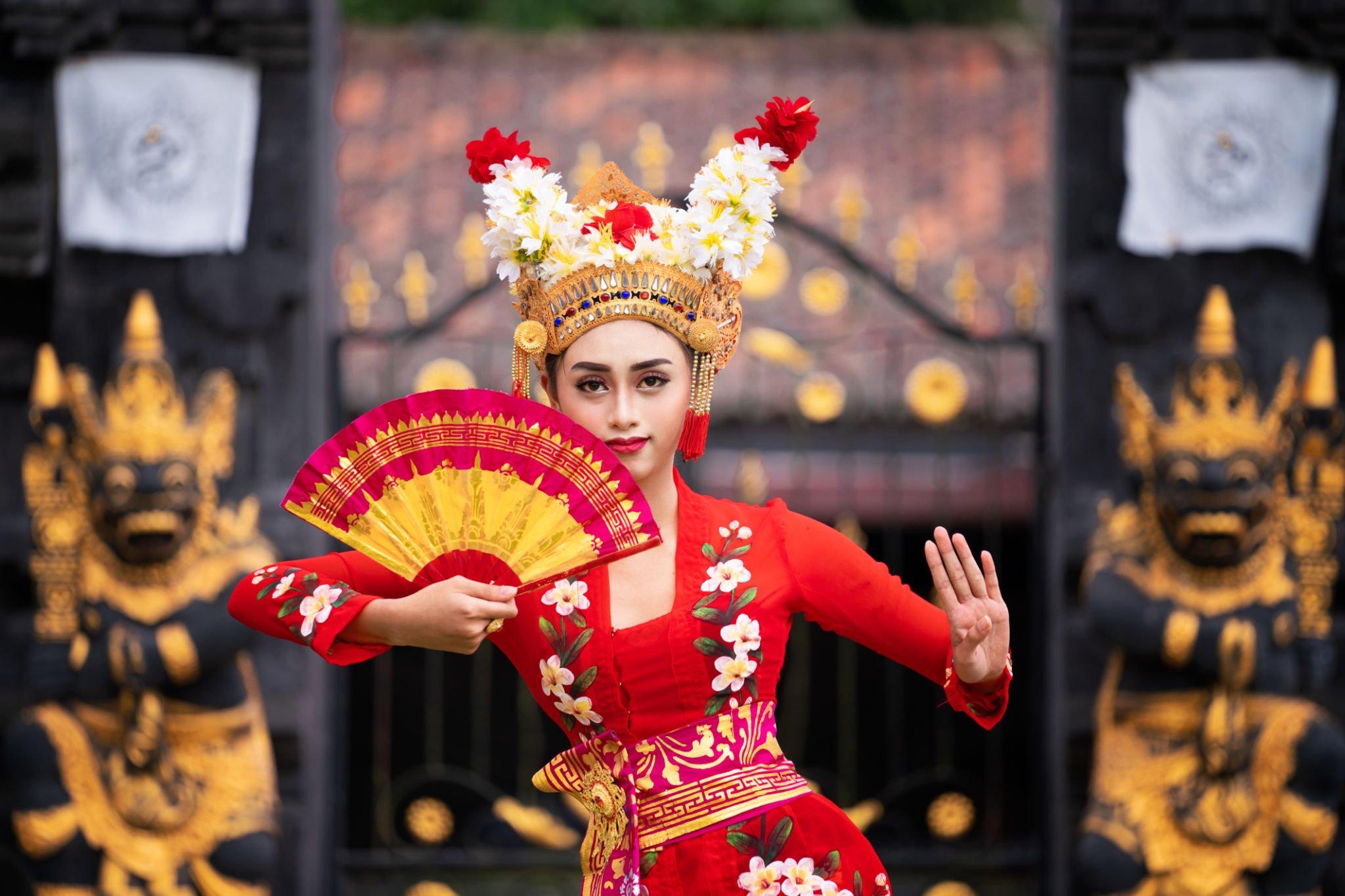
Bali, the Island of the Gods, is a culturally diverse island that is rich in languages, cuisine, traditions, and ceremonies. Bali’s culture is a blend of Hinduism, Buddhism, and animism, which has been shaped by centuries of migration and trade. The island’s cultural heritage is reflected in its traditional dances, festivals, and customs.
Traditional Dances
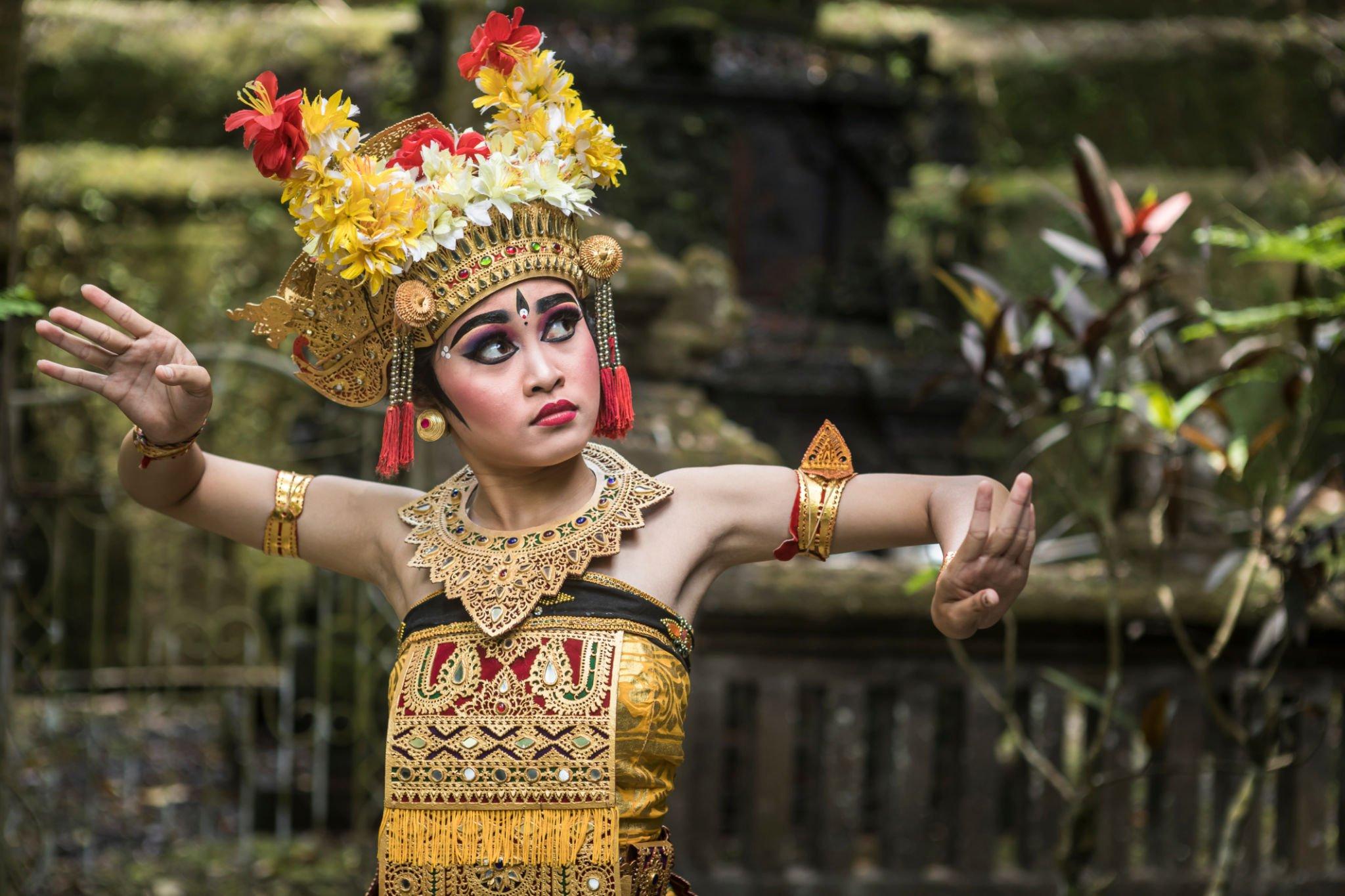
Balinese dance is an integral part of the island’s culture and religious belief. There are numerous different Balinese dances with different histories, styles, and purposes. UNESCO recognizes Balinese dance as an intangible cultural heritage in three genres: sacred (Wali), semi-sacred (Bebali), and entertainment or social events (Balih-Balihan). Sacred dances are the oldest dances dating back to the 8th-14th centuries. They fulfill religious functions such as welcoming and entertaining visiting gods. Semi-sacred dances can be enjoyed by tourists as entertainment. These dances usually have a story-line and characters. Entertainment dances are modified sacred dances and can be performed anywhere to anyone 1. Some of the most popular traditional Balinese dances include:
- Kecak Fire Dance: A unique dance-drama that originated in the 1930s. It tells the story of Ramayana through a chorus of men who chant “cak” while moving their hands and arms.
- Barong Dance: A classic Balinese dance that tells the story of the fight between good (Barong) and evil (Rangda). The Barong is a mythical creature that represents good, while Rangda represents evil.
- Legong Dance: A graceful dance performed by young girls that tells stories from Hindu mythology.
- Janger Dance: A social dance that originated in Bali’s Buleleng Regency. It involves a group of men and women who sing and dance together.
Festivals
Bali is known for its colorful festivals that celebrate life, death, and everything in between. The island has more than 20,000 temples, each with its own festival calendar. Some of the most popular festivals include:
- Nyepi: Also known as the “Day of Silence,” Nyepi is a Hindu New Year celebration that falls on the first new moon in March or April. It is a day of self-reflection when people stay indoors and observe silence.
- Galungan: A ten-day festival that celebrates the victory of good over evil. It marks the time when ancestral spirits visit the earth.
- Kuningan: A one-day festival that marks the end of Galungan. It is believed that ancestral spirits return to heaven on this day.
Customs
In Bali, approximately 90% of the population follows a form of Hinduism known as Agama Hindu Dharma. Alongside religion, tradition and customs play a role too, and tourists should take a moment to learn what is considered appropriate before they visit.
Traditional Clothing
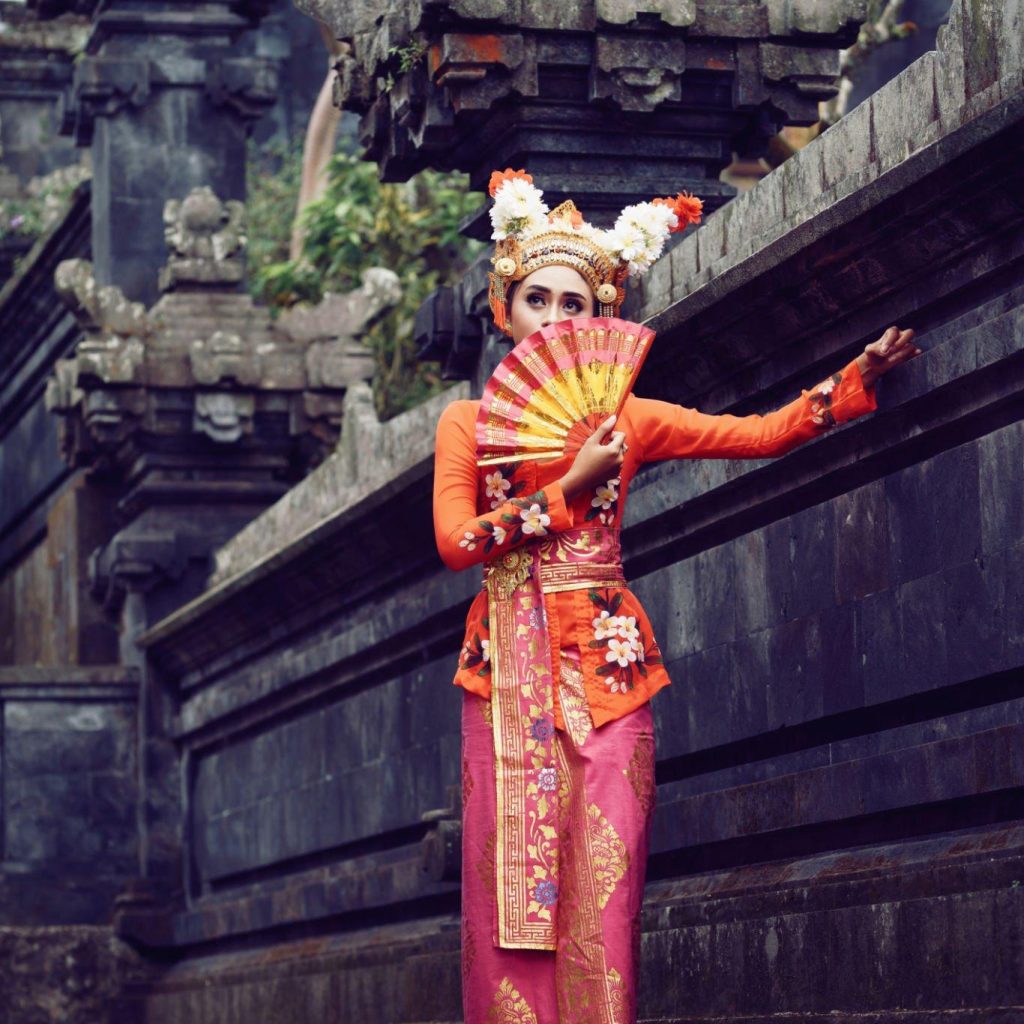
The local Balinese are modest in their approach to dress, and women will often be seen covering their shoulders and knees. Traditional dress code has been passed down through generations. Many items of clothing have symbolic meanings. For example, white symbolizes purity, and women will wear white and yellow frangipani flowers in their hair as a symbol of Lord Shiva. The following items of clothing are examples of traditional Balinese dress:
- Safari Shirt: Customarily worn by men, the safari shirt is white with a collar and pockets.
- Balinese Kabaya: Traditional attire for women comprising a sarong and lace blouse.
- Udeng: A head covering often worn for religious ceremonies.
- Kamen: A sarong-style cloth worn by both men and women.
Etiquette
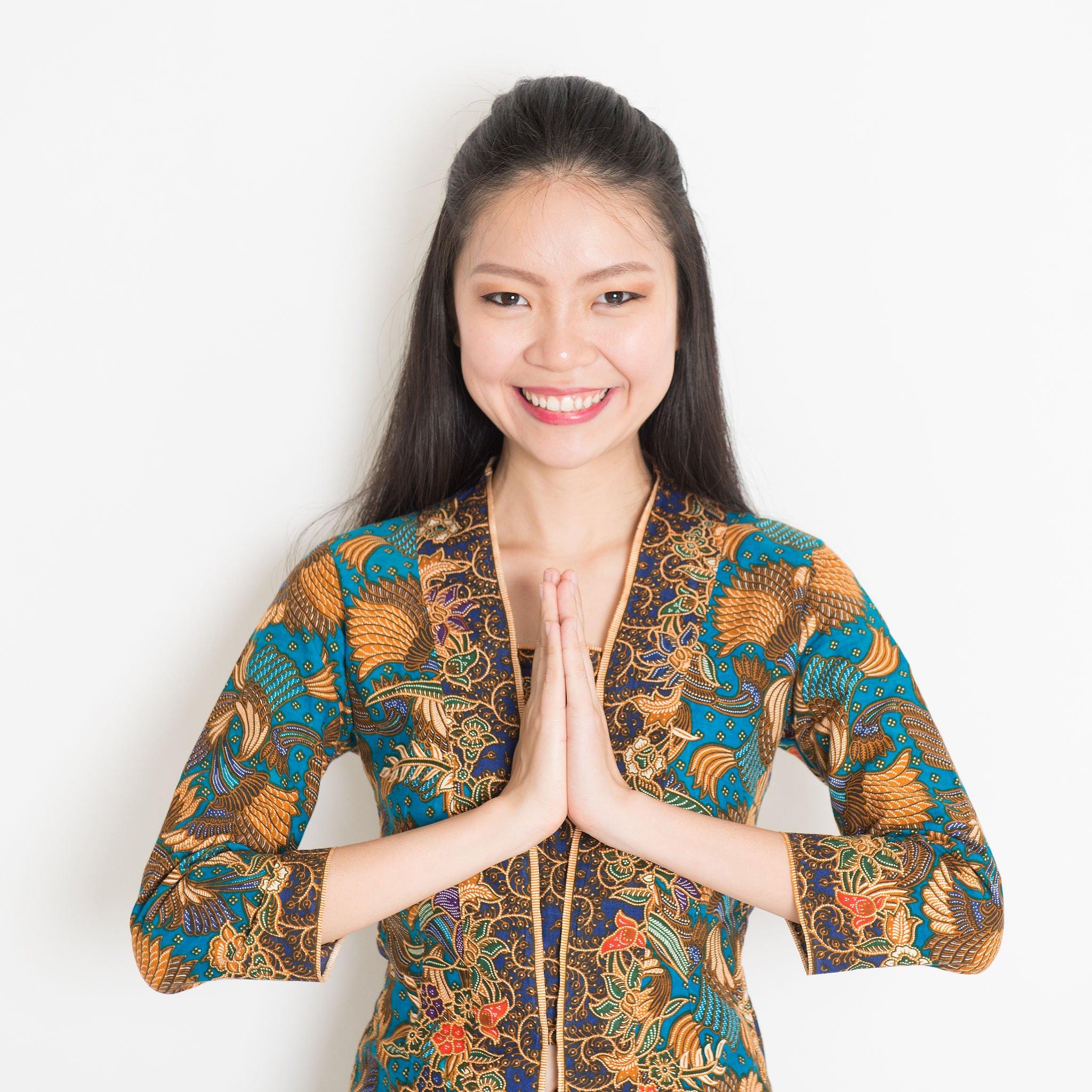
Tourists are not required to adhere to a strict dress code in Bali; however, it is customary to cover your shoulders and knees if you want to be respected within the culture. If you are visiting traditional villages outside tourist hotspots, you should wear modest, comfortable, loose-fitting clothing as a sign of cultural respect. When it comes to religious ceremonies, temples, and other places of worship, there is a strict dress code for both men and women. This includes covering both your shoulders and knees.
In conclusion, Bali’s rich cultural heritage is reflected in its traditional dances, festivals, customs, cuisine, languages, beliefs, architecture, art forms, music styles among others. Bali’s culture has been shaped by centuries of migration and trade from India to China to Europe to America which has made it unique among other cultures around the world.

Comment (0)